
Common cold popularly known as cold is a viral infection of the upper respiratory tract. It mostly affects the nose and throat. It is usually harmless though it might not feel that way. It is usually self-treatable ,self-diagnosable and aal short-term disease which gets cured within days or weeks.
Many types of viruses can cause a common cold but the rhinoviruses are the most common agents.
Children younger than 6 are at greatest risk of having cold and this makes going to childcare facilities a major risk factor of common cold. Other risk factors include not sleeping well, smoking and psychological stress.
Symptoms of common cold usually appear 1 to 3 days after exposure to a cold-causing virus. Symptoms of common cold vary from person to person and they include:
Runny nose
Sore throat
Cough
Congestion
Slight body ache
Low-grade fever
Malaise(Generally feeling unwell)
The transmission of cold is common in daycare and at school because children with little immunity and those with poor hygiene are in close contact.
A cold virus enters the body through droplets in the air when someone sneezes,coughs or talks. It also spreads by hand-to-hand contact with someone what has a cold or by sharing telephones, contaminated objects such as toys,utensils and towels. If you touch your moutheyes or nose after exposure,you are likely to catch a cold.
Common cold can be prevented by regularly washing your hands especially after sneezing or coughing, disinfect your home regularly, don’t share drinking glasses,avoid close contact with anyone who has a cold,eat well, exercise regularly and have enough sleep.
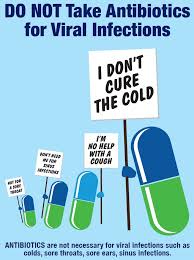
NOTE: Cold is not a bacterial infection; antibiotics should not be used for cold. The best way to treat cold is take enough water and have enough rest.
 my health and i